Ulta Beauty Earnings Preview: Could the Share Price Face a Short-Term Pullback?
$538.48
04 Dec 2025, 17:50
Bullish

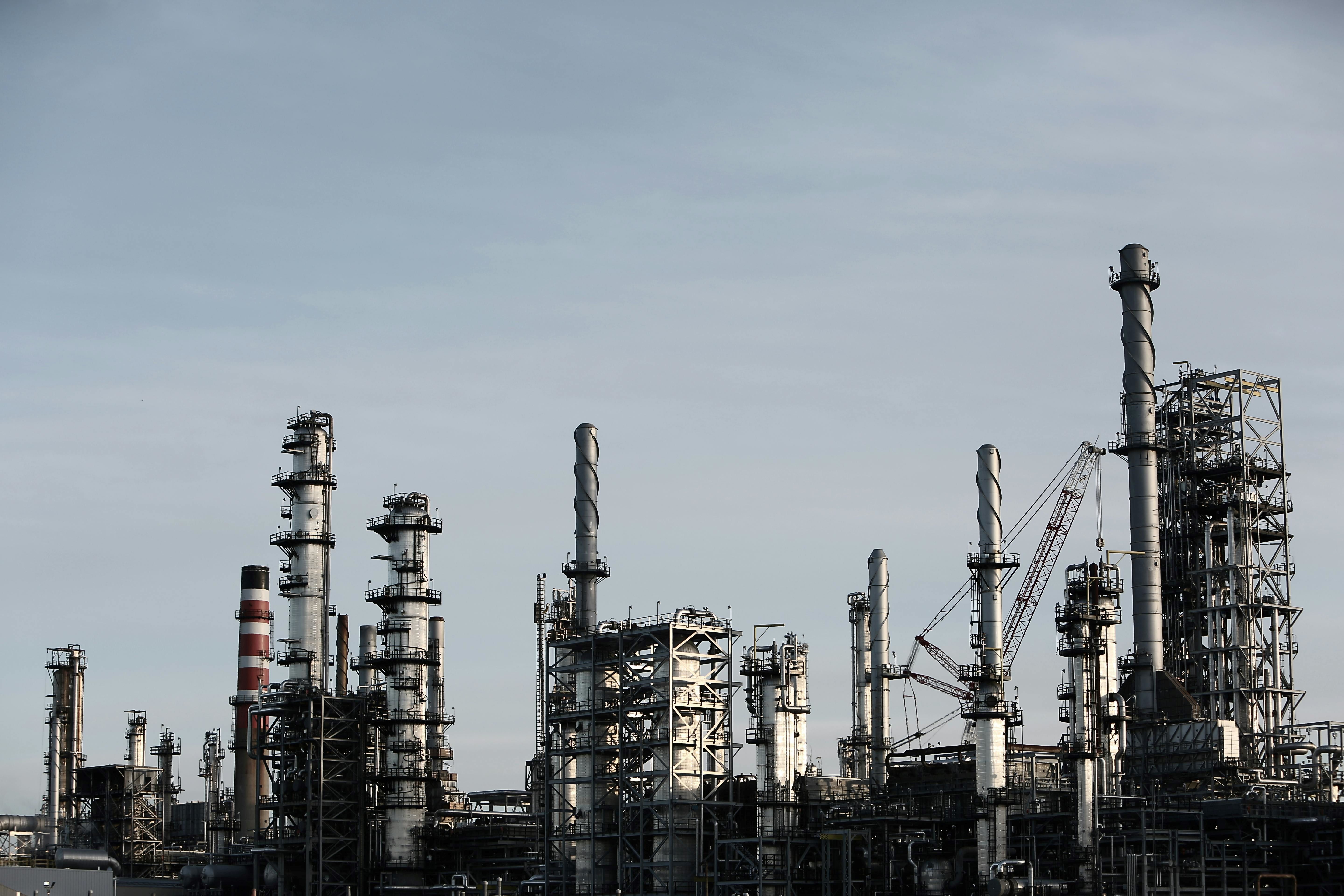
Pexels.com


Fears of Israeli strike on Iran and possible supply disruption send crude prices climbing
Oil Markets React to Geopolitical Threat
Oil prices jumped more than 1% on Wednesday as fears grew that Israel could launch a military strike on Iranian nuclear facilities, potentially disrupting global oil supply. The report, based on US intelligence cited by CNN, suggests Israeli preparations are underway, although no final decision has been made.
Analysts warn that any escalation could put not only Iranian oil exports at risk, but also threaten broader regional stability in the Middle East—a key supplier of global crude.
Iran’s Vital Role in Oil Supply
Iran, the third-largest producer in OPEC, exports over 1.5 million barrels per day (bpd). An attack could significantly affect this output. ING analysts warned that such an escalation may disrupt supply in "large parts of the broader region".
There are growing concerns that Iran might retaliate by blocking the Strait of Hormuz, through which a significant share of global oil—including exports from Saudi Arabia, Kuwait, Iraq, and the UAE—flows daily. Such a move could send oil prices soaring and severely impact global energy markets.
US-Iran Tensions Fuel Volatility
The price rally comes amid ongoing nuclear negotiations between the US and Iran. Despite several rounds of talks, both sides appear far from agreement. Supreme Leader Ayatollah Ali Khamenei reiterated that Iran's uranium enrichment programme is “absolutely non-negotiable”, clashing with US demands for full suspension.
CNN’s report indicates that the failure to reach a deal—especially one that allows Iran to retain uranium enrichment capabilities—could increase the likelihood of Israeli military action.
Market Watch: Inventory Builds and Supply Trends
While geopolitical tensions pushed prices up, US stockpile data offered mixed signals:
These figures point to a tightening middle distillate market, according to ING analysts. Investors now await confirmation from the US Energy Information Administration (EIA), whose official data is due later today.
Kazakhstan Output Defies OPEC+ Pressure
Adding to market complexity, Kazakhstan’s oil production has reportedly increased by 2% in May, despite OPEC+ efforts to limit global output and stabilise prices. This could weigh on the broader production cap agreement and influence price volatility in the coming weeks.
Summary: What It Means for the Market
Final Thoughts
With geopolitical tensions heating up and supply concerns mounting, oil markets face renewed volatility. Investors, policymakers, and consumers alike should be prepared for continued price swings as the situation in the Middle East unfolds.
Sources: (Investing.com, Reuters)

Tradable assets:
Min.Deposit:
Max Leverage:
FCA:

Rating: