Ulta Beauty Earnings Preview: Could the Share Price Face a Short-Term Pullback?
$538.48
04 Dec 2025, 17:50
Bullish

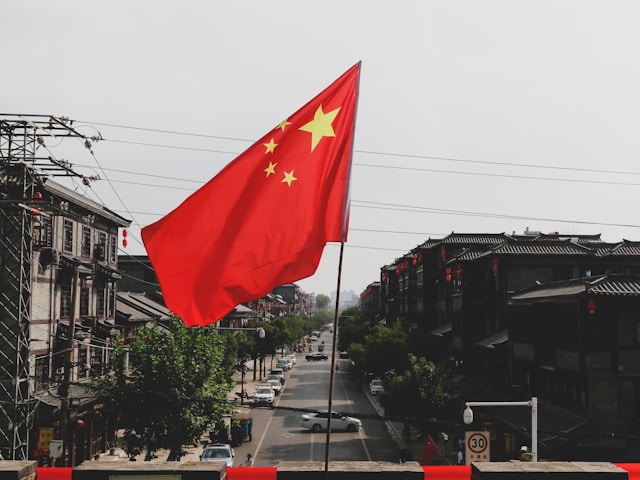


This move marks another escalation in the ongoing US-China trade war, which has seen both countries impose tariffs on hundreds of billions of dollars' worth of goods.
In addition to the new tariffs, China has lodged a complaint with the World Trade Organization (WTO), accusing the US of violating global trade regulations.
A spokesperson from China’s Ministry of Commerce stated that the US tariffs are "not only unhelpful in solving America's economic problems but also damage normal trade relations between China and the US."
Meanwhile, the new US tariffs—an additional 10% tax on Chinese imports—took effect on Tuesday.
President Trump claims these tariffs on China are necessary for two key reasons:
The Trump administration argues that China is the main supplier of chemicals used to manufacture fentanyl, a claim that Beijing denies. China has previously stated that America's opioid crisis is a domestic issue.
As part of its trade war retaliation, China has expanded its blacklist of "unreliable entities", adding major US companies to the list.
The latest blacklisted companies include:
According to China's Ministry of Commerce, these firms were added due to "discriminatory practices against Chinese enterprises."
Companies added to China’s unreliable entity list could face:
This move is seen as a direct response to US sanctions on Chinese companies, including tech giants like Huawei.
In another major move, China has announced restrictions on the export of 25 critical minerals, which are essential for technology, defense, and manufacturing industries.
This export restriction could disrupt global supply chains and increase costs for US manufacturers relying on these materials.
China has also opened an antitrust investigation into Google, accusing the US tech giant of anti-competitive practices.
Although Google’s search engine has been blocked in China since 2010, the company still operates in China through app distribution, cloud services, and partnerships with local developers.
This investigation raises concerns for other US tech firms, as China could expand regulatory scrutiny to more American companies.
While trade tensions with China escalate, President Trump has suspended for 30 days the 25% tariffs on Mexico and Canada.
Together, China, Mexico, and Canada account for over 40% of US imports, making trade negotiations with these countries critical for the US economy.
There is no guarantee that Trump won’t reimpose tariffs on Mexico and Canada after 30 days. This uncertainty is causing businesses to delay investments, hiring, and factory expansions.
The US-China trade war is intensifying, with new tariffs, company blacklists, and mineral export restrictions.
As China continues retaliating against US tariffs, the global impact is growing, affecting:
With Trump's unpredictable trade policies, businesses worldwide are preparing for further economic uncertainty.
Source: bbc.co.uk, ChatGpt

Tradable assets:
Min.Deposit:
Max Leverage:
FCA:

Rating: